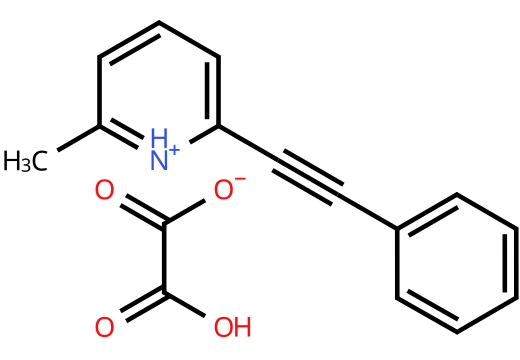
Chemical formula of MPEP Oxalate
Molecular formula: C₁₁H₁₀N₂ · C₂H₂O₄
98%+
Purity
COA
Per batch
mGluR5
Selective NAM
✓ In stock

MPEP Oxalate

2‑Methyl‑6‑(phenylethynyl)pyridine · Oxalate

Selective negative allosteric modulator of mGluR5. High specificity and potency.

Order MPEP Oxalate

MPEP Oxalate

mGluR5 Negative Allosteric Modulator
Purity:≥98% (HPLC)
COA:Included
Select Quantity
100mg$60
500mg$130
1g$200
$60.00 ($0.60/mg)
  • COA available per batch
  • Worldwide shipping
  • Secure packaging
  • Support via Email/Telegram/Signal
  • Payments arranged individually

Scientific background

Understanding MPEP Oxalate

A look at the pharmacology, research applications, and mechanism behind one of the most studied mGluR5 antagonists in neuroscience.

What is MPEP Oxalate?

MPEP Oxalate (2-Methyl-6-(phenylethynyl)pyridine oxalate) is a potent, highly selective negative allosteric modulator (NAM) of the metabotropic glutamate receptor subtype 5 (mGluR5). Synthesised as an oxalate salt for enhanced stability and ease of handling, it is widely regarded in the research community as a gold-standard pharmacological tool for dissecting glutamatergic neurotransmission.

Unlike competitive antagonists that block the glutamate binding site directly, MPEP acts allosterically — binding to a separate transmembrane domain and reducing receptor sensitivity without occupying the orthosteric pocket. This non-competitive profile affords greater selectivity and predictable dose-response relationships, making it the preferred probe in hundreds of pre-clinical studies across addiction, cognition, and neurodegeneration.

Property Detail
Chemical name2-Methyl-6-(phenylethynyl)pyridine · C₂H₂O₄
Mechanism classNegative allosteric modulator (NAM)
Primary targetmGluR5 (Group I metabotropic glutamate receptor)
BBB permeabilityHigh — rapid CNS entry after systemic dosing
Research statusGold-standard mGluR5 tool compound

The anti-addictive mechanism — mGluR5 and craving

mGluR5 receptors are densely expressed in the nucleus accumbens, prefrontal cortex, and ventral tegmental area — the circuit that governs reward, motivation, and compulsive behaviour. Under normal conditions, glutamate signalling through mGluR5 amplifies dopamine-driven reward signals. In addiction, this amplification becomes pathologically overactive: the receptor effectively locks the brain into a state of craving and drug-seeking.

MPEP has been used in over 200 pre-clinical studies to probe this circuitry. By silencing mGluR5 activity, it selectively attenuates the reward salience of a substance — without broadly suppressing appetite, locomotion, or natural reward — making it an indispensable pharmacological scalpel.

Alcohol

MPEP significantly reduces voluntary ethanol self-administration and prevents reinstatement of alcohol-seeking in rodent models. Critically, it targets the rewarding properties of alcohol without affecting caloric intake or general fluid consumption — demonstrating receptor-specific action on the reward pathway rather than non-specific suppression.

Nicotine

In nicotine self-administration paradigms, MPEP reduces breakpoint responding — the effort an animal will exert to obtain the drug — indicating a blunting of nicotine’s motivational value. This makes it a valuable probe for studying the glutamatergic component of tobacco dependence and for evaluating candidate cessation therapies.

Stimulants — cocaine & amphetamine

MPEP blocks the development of conditioned place preference to cocaine, attenuates psychomotor sensitisation, and reduces cue-induced reinstatement. The mechanism involves suppression of AMPA receptor trafficking in the nucleus accumbens — a glutamatergic cascade that normally consolidates drug-associated memories.

"mGluR5 antagonism offers a mechanistically distinct approach to addiction research — one that targets the glutamatergic amplification of reward rather than the dopamine signal itself, potentially avoiding the tolerability issues of dopamine-based interventions."


Cognitive research — mGluR5 in learning and mental health

Beyond addiction, mGluR5 sits at the intersection of synaptic plasticity, mood regulation, and neurodevelopmental disease. MPEP has become the standard pharmacological tool for selectively ablating mGluR5 function in cognitive research — enabling precise interrogation of the receptor’s contribution to learning, memory, and emotional processing.

LTP / LTD — synaptic plasticity

mGluR5 co-activates NMDA receptors and is required for mGluR-dependent long-term depression (mGluR-LTD) at hippocampal and cortical synapses. MPEP allows researchers to selectively eliminate this LTD component while preserving NMDA-dependent LTP — dissecting which arm of plasticity drives a given learning paradigm.

Fragile X syndrome

The "mGluR theory of Fragile X" proposes that loss of FMRP leads to unchecked mGluR5-driven protein synthesis, causing exaggerated mGluR-LTD. MPEP was the critical pharmacological proof-of-concept: in Fmr1 knockout mice, MPEP rescued audiogenic seizures, normalised dendritic spine morphology, and corrected prepulse inhibition.

Anxiety & stress resilience

MPEP produces robust anxiolytic effects in elevated plus-maze and fear-conditioning assays — comparable in magnitude to benzodiazepines, but without sedation or tolerance. mGluR5 activity in the basolateral amygdala gates fear consolidation, and MPEP administration disrupts this without erasing previously acquired memories.


Mechanism of action

1

Selective binding

MPEP rapidly crosses the blood-brain barrier and binds with high affinity to the allosteric transmembrane site of mGluR5 — a pocket entirely distinct from the orthosteric glutamate binding domain. No cross-reactivity with mGluR1 or ionotropic glutamate receptors at pharmacologically relevant concentrations.

2

Negative modulation

Binding induces a conformational shift in the receptor’s seven-transmembrane domain, reducing the efficiency of G-protein coupling. The receptor remains intact but becomes markedly less sensitive to glutamate — analogous to turning down a volume knob rather than cutting the wire. Efficacy is maintained even under high glutamate conditions.

3

Cascade inhibition

Reduced mGluR5 signalling suppresses downstream IP₃-mediated calcium release and attenuates ERK / mTOR phosphorylation — dampening neuronal hyperexcitability, reducing pathological protein synthesis at the synapse, and protecting against excitotoxic calcium overload.


Key research applications

The breadth of MPEP’s utility spans from fundamental synapse biology to translational disease modelling. Below are the primary research domains where MPEP is currently deployed as a pharmacological standard.

Neuroprotection & ischaemia

mGluR5 overactivation following stroke or TBI drives excitotoxic calcium influx. MPEP reduces infarct volume and improves neurological outcomes in rodent ischaemia models — serving as a benchmark for neuroprotective candidates.

Autism spectrum & Fragile X

MPEP remains the canonical pharmacological test of the mGluR theory of FXS. Beyond FXS, it is used to model and correct social behaviour deficits, repetitive behaviours, and sensory hypersensitivity across diverse ASD models.

Addictive behaviour & relapse

MPEP is the workhorse probe in glutamate-addiction research. It enables modelling of cue-induced reinstatement — the most clinically relevant stage of addiction — and evaluation of how mGluR5 blockade modifies extinction learning and stress-induced relapse.

Chronic & neuropathic pain

mGluR5 is upregulated in the spinal dorsal horn following nerve injury. MPEP reduces allodynia and thermal hyperalgesia in neuropathic pain models — revealing mGluR5 as a key driver of pain sensitisation and benchmarking novel analgesic candidates.

Schizophrenia & psychosis models

MPEP interrogates how mGluR5 modulates prepulse inhibition deficits and hyperlocomotion in PCP/ketamine models — providing a pharmacological bridge between NMDA hypofunction and mGluR5-targeted therapeutic strategies.

Synaptic plasticity & memory encoding

Used to isolate mGluR-LTD from NMDA-LTP in hippocampal preparations and in vivo learning paradigms. MPEP has established the temporal and spatial requirements for mGluR5 in fear extinction, spatial navigation, and working memory.

Technical Specifications

🧪 Chemical Properties

Molecular Formula:C₁₁H₁₀N₂•C₂H₂O₄
Molecular Weight:283.25 g/mol
CAS Number:96206-92-7
Purity:≥98%
Form:Yellow-white powder
Solubility:DMSO, Ethanol

📦 Storage & Handling

Storage Temp:2-8°C
Stability:2+ years
Light Sensitivity:Store in dark
Moisture:Keep dry
Container:Amber glass vial

📋 Documentation

COA:✓ Included
¹H NMR:✓ Available
¹³C NMR:✓ Available
Safety Data:✓ Provided

Quality verification

NMR Characterization

Every batch is characterised by ¹H and ¹³C NMR spectroscopy. We publish both processed spectra and raw FID data so any researcher with NMR software can independently verify the structure and purity of what they receive.

Raw FID files are compatible with MestReNova, TopSpin, and other standard NMR processing software.

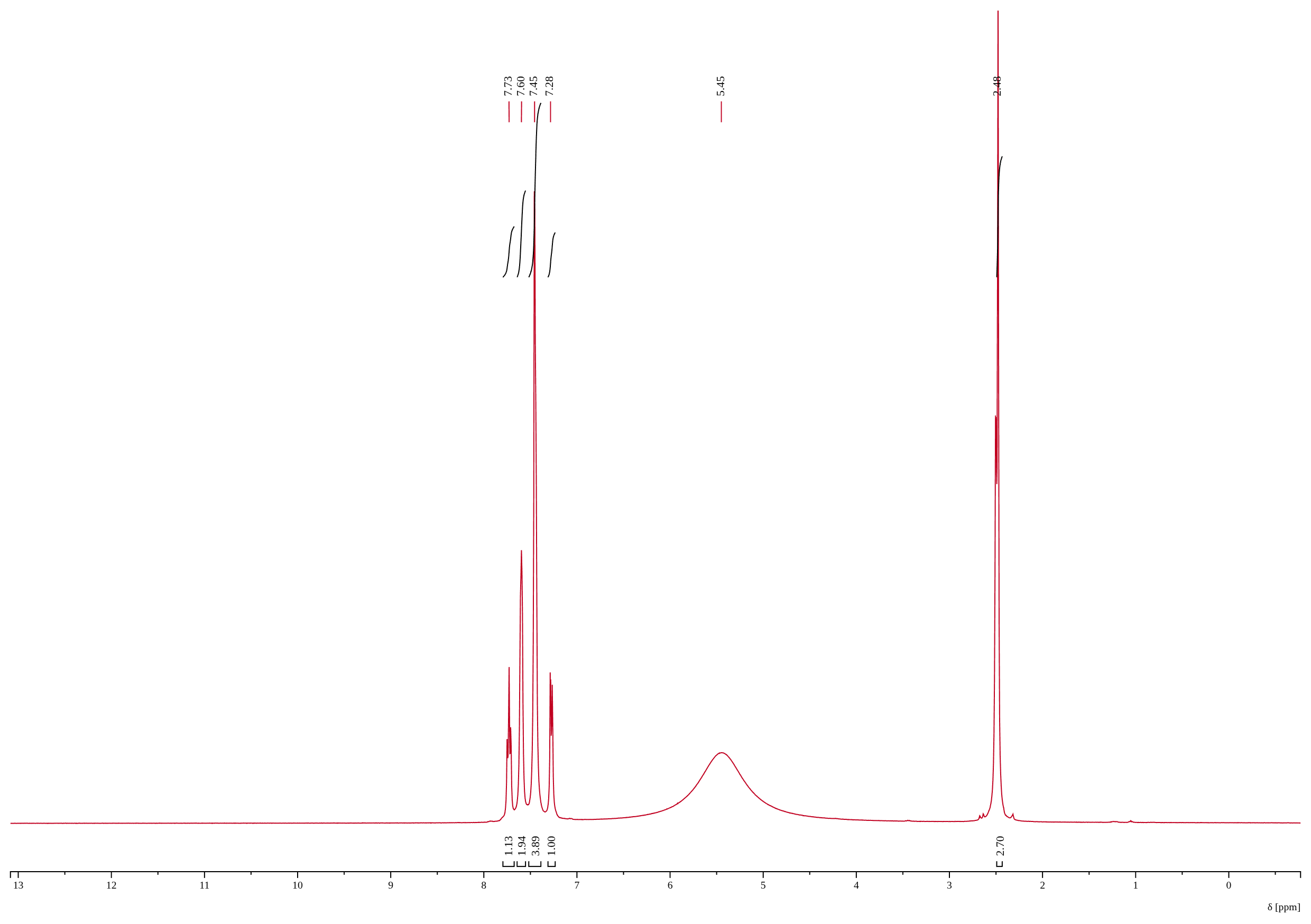
¹H NMR

400 MHz · CDCl₃

Batch 2
¹H NMR spectrum of MPEP Oxalate — Batch 2

Key signals: δ 7.73 (t, ArH, 1H), 7.60 (m, ArH, 2H), 7.45 (m, ArH, 4H), 7.28 (d, ArH, 1H), 5.45 (br s, COOH × 2), 2.48 (s, CH₃, 3H)

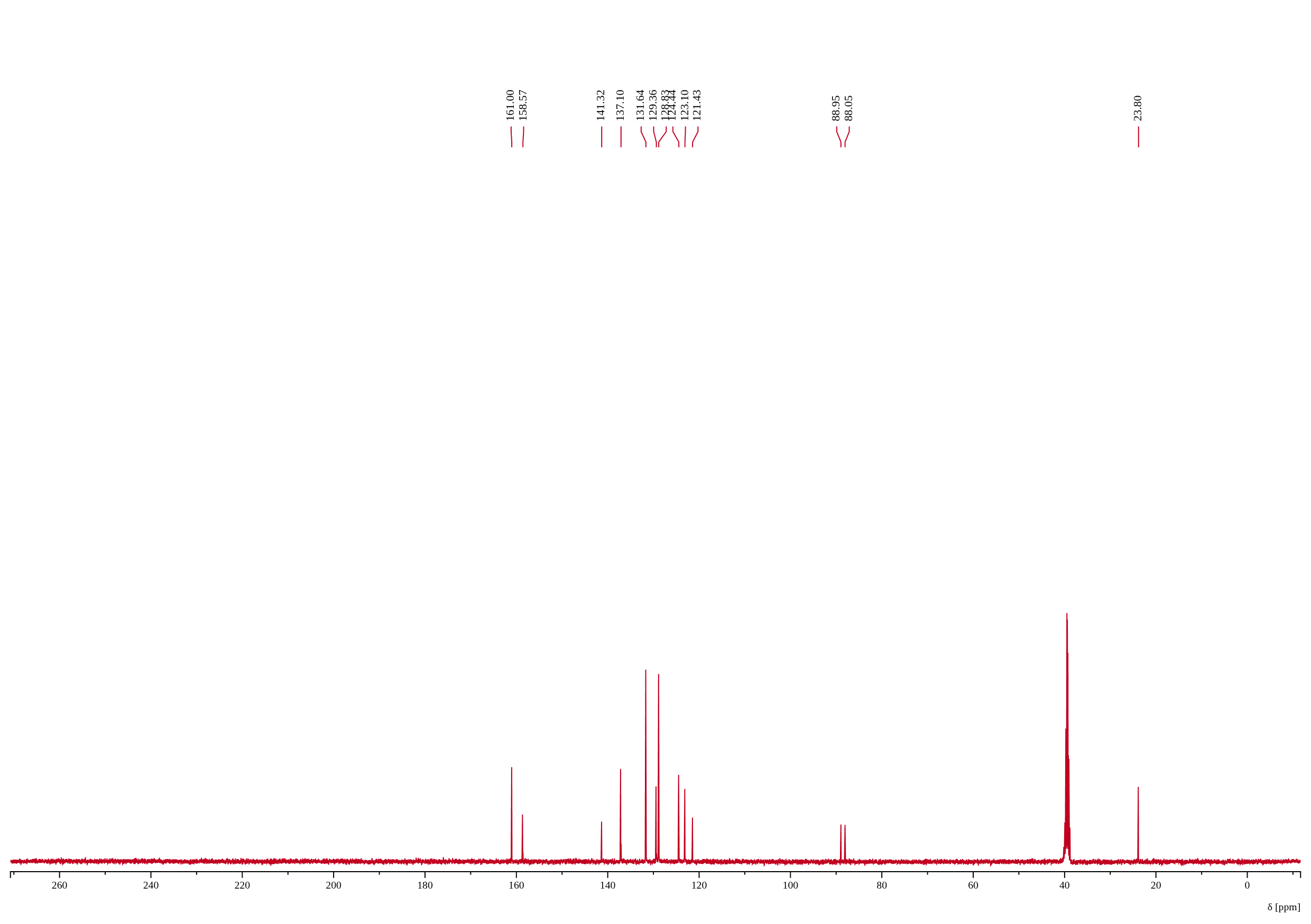
¹³C NMR

100 MHz · CDCl₃

Batch 2
¹³C NMR spectrum of MPEP Oxalate — Batch 2

Key signals: δ 161.00, 158.57 (C=O oxalate), 141.32, 137.10, 131.64, 129.36, 128.83, 123.10, 121.43 (ArC), 88.95, 88.05 (alkyne C≡C), 23.80 (CH₃)

Download raw FID data

We don't just show you pictures. Download the original spectrometer output and process it yourself in MestReNova, TopSpin, or any compatible NMR software. Every peak, every integration — fully verifiable.

¹H FID data (.zip) ¹³C FID data (.zip)