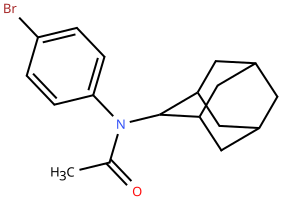
Chemical formula of N-Acetyl-Bromantane
Molecular formula: C₁₈H₂₂BrNO
98%+
Purity
COA
Per batch
Amide
Tertiary N
✓ In stock

N-Acetyl-Bromantane

N-Acetyl-N-(4-Bromophenyl)adamantan-2-amine

Acylated bromantane analog with enhanced safety profile and preserved dopaminergic actoprotective activity.

Order N-Acetyl-Bromantane

N-Acetyl-Bromantane

Acylated Dopaminergic Actoprotector
Purity:≥98% (HPLC)
COA:Included
Select Quantity
500mg$40
1g$70
2g$130
$40.00 ($0.08/mg)
  • COA available per batch
  • Worldwide shipping
  • Secure packaging
  • Support via Email/Telegram/Signal
  • Payments arranged individually

Scientific background

Understanding N-Acetyl-Bromantane

A look at the pharmacology, safety profile, and mechanism behind the acylated derivative of bromantane — a compound that combines superior actoprotective efficacy with an exceptional therapeutic index.

What is N-Acetyl-Bromantane?

N-Acetyl-Bromantane is the N-acylated derivative of bromantane, produced by acetylation of the secondary amine nitrogen with acetic anhydride — a reaction first documented in the 1998 paper by Morozov et al. at the Institute of Pharmacology, Russian Academy of Medical Sciences. The result is a tertiary amide in which the N-H of bromantane is replaced by an N-acetyl group, fundamentally altering the compound's metabolic and pharmacological profile.

The structural modification has important pharmacological consequences. The parent bromantane contains a secondary amine that is metabolically labile — subject to N-oxidation and rapid phase I metabolism. The N-acetyl group converts this to a tertiary amide with markedly lower susceptibility to N-oxidation, potentially extending the effective pharmacokinetic window and reducing formation of reactive metabolic intermediates. This is the same principle underlying the superior safety profiles of many clinically approved amide drugs compared to their amine precursors.

Property Detail
Chemical nameN-Acetyl-N-(4-bromophenyl)adamantan-2-amine
Mechanism classAcylated dopaminergic actoprotector
Primary targetTH / DOPA decarboxylase (catecholamine biosynthesis)
BBB permeabilityHigh — lipophilic adamantane-amide scaffold
Research statusSynthesized per Morozov et al. (Pharm. Chem. J., 1998)

In the Morozov pharmacological comparison, N-acetyl-bromantane (compound II) showed a loaded swimming duration of 935 ± 42 seconds in the test group versus 275 ± 36 seconds in controls — a 3.4× enhancement that exceeded the reference stimulant phenamin (625 ± 26 seconds). Critically, this was achieved with an LD₅₀ of 5,640 mg/kg in mice, compared to bromantane's 1,020 mg/kg and phenamin's 300 mg/kg — giving N-acetyl-bromantane one of the highest therapeutic indices in the series.

Property Detail
Acute toxicity (LD₅₀, mice, IP)5,640 mg/kg (Morozov et al., 1998)
Comparison vs bromantane (Ib)LD₅₀ 1,020 mg/kg
Comparison vs phenaminLD₅₀ 300 mg/kg — 18.8× lower toxicity
Acylation sourceBromantane + Ac₂O / 6h reflux (80% yield)

Why the acetyl group changes everything

The N-acetyl modification represents a deliberate structural optimization rather than an incremental change. In bromantane, the secondary amine nitrogen is the site of highest metabolic vulnerability: cytochrome P450-mediated N-oxidation and oxidative deamination at this position generate electrophilic intermediates that contribute to the compound's dose-limiting toxicity profile. Acetylation caps this position, replacing the labile N-H with a stable amide bond that is orders of magnitude less reactive toward oxidative metabolism.

The resulting tertiary amide exhibits markedly altered electronic properties at nitrogen. The lone pair on nitrogen participates in resonance with the carbonyl, reducing its availability for N-oxidation and shifting the compound's polarity and pKa. This translates directly to the exceptional safety data: an LD₅₀ of 5,640 mg/kg places N-acetyl-bromantane well above the parent compound's already-favourable toxicity profile, while preserving the parent molecule's actoprotective efficacy.

Metabolic stability

The tertiary amide nitrogen of N-acetyl-bromantane is significantly more resistant to cytochrome P450-mediated N-oxidation than the secondary amine of the parent bromantane. This reduces the generation of reactive N-oxide metabolites, directly contributing to the compound's dramatically improved acute toxicity profile and expected reduction in off-target metabolic effects.

Preserved actoprotective efficacy

Despite the structural modification, N-acetyl-bromantane retains and even enhances the actoprotective activity of the parent compound. In loaded swimming tests, it produced a 240% increase over control — exceeding both bromantane (128% increase) and phenamin (167% increase) in the same paradigm. The core dopaminergic biosynthesis-enhancing mechanism remains intact through the acetylation.

Exceptional safety margin

An LD₅₀ of 5,640 mg/kg is among the highest recorded for any pharmacologically active compound in the adamantane series. For comparison, the reference stimulants phenamin (300 mg/kg) and sydnocarb (1,780 mg/kg) operate at 18.8× and 3.2× greater acute toxicity respectively. This wide safety margin makes N-acetyl-bromantane an ideal candidate for research protocols requiring high-dose or repeated-exposure experimental designs.

"The effect of the most active compound II [N-acetyl-bromantane] exceeded that of the reference drug phenamin in loaded swimming tests, while demonstrating substantially lower acute toxicity — a combination rarely achieved in CNS-active compounds." — Morozov et al., Pharmaceutical Chemistry Journal, 1998


Dopaminergic and noradrenergic mechanism

N-Acetyl-bromantane shares the catecholamine biosynthesis-enhancing mechanism of the parent compound. The adamantane scaffold provides the structural backbone responsible for CNS penetration and receptor interactions, while the 4-bromophenyl group — retained intact through acetylation — maintains the pharmacophore's dopaminergic activity.

The compound upregulates tyrosine hydroxylase (TH) and DOPA decarboxylase expression, increasing the synthetic capacity of dopaminergic and noradrenergic neurons over hours to days. Unlike reuptake inhibitors or releasers, this biosynthetic enhancement preserves autoreceptor feedback and homeostatic regulation — accounting for the low abuse liability and absence of typical stimulant tolerance observed with the bromantane class. The N-acetyl modification adds a pharmacokinetic dimension: the tertiary amide's altered lipophilicity and metabolic stability profile may extend the duration of central action relative to the parent amine, providing a more sustained and even pharmacodynamic response in actoprotector research paradigms.

Tyrosine hydroxylase upregulation

The rate-limiting enzyme in catecholamine synthesis, TH converts tyrosine to L-DOPA. N-acetyl-bromantane's mechanism involves enhanced TH expression in striatal and accumbal dopaminergic neurons — increasing the cell's synthetic output capacity over a multi-hour time course rather than depleting stores acutely. This gradual ramp-up profile is associated with lower crash and rebound compared to acute releasers.

Noradrenergic co-activation

Parallel upregulation of dopamine-β-hydroxylase (DBH) in noradrenergic neurons contributes to the compound's stress-resilience and anxiolytic profile. The noradrenergic component, combined with dopaminergic enhancement, produces the characteristic actoprotector combination of fatigue resistance plus cognitive stability — without the anxiogenic effects of pure dopaminergic stimulants.

Amide pharmacokinetics

The tertiary amide bond undergoes enzymatic hydrolysis substantially more slowly than ester bonds and is resistant to spontaneous hydrolysis at physiological pH. Whether N-acetyl-bromantane acts directly or via partial in vivo hydrolysis to bromantane is an open research question — both pathways are pharmacologically relevant and contribute to the compound's extended action profile.


Mechanism of action

1

CNS entry and distribution

The lipophilic adamantane cage combined with the N-acetyl group produces a calculated logP profile suitable for rapid blood-brain barrier penetration by passive diffusion. Tissue distribution follows the pattern of the bromantane class — accumulation in lipid compartments provides a depot effect that extends the pharmacodynamic duration beyond the plasma half-life. The amide modification alters the partitioning profile relative to the amine, potentially improving CNS/plasma ratio.

2

Enzyme induction

Once distributed in dopaminergic and noradrenergic neurons, N-acetyl-bromantane initiates upregulation of TH and DOPA decarboxylase at the gene expression level. This transcriptional mechanism unfolds over hours, producing a sustained increase in catecholaminergic tone that persists well beyond compound clearance. The absence of acute synaptic flooding means autoreceptor downregulation is attenuated — a key advantage over classical stimulant mechanisms.

3

Sustained performance enhancement

The combined dopaminergic and noradrenergic biosynthesis enhancement translates to sustained improvements in physical and cognitive performance under load conditions. In the Morozov paradigm, this manifested as a 3.4× increase in loaded swimming duration — a measure of true fatigue resistance, not mere stimulation. The multi-hour onset and extended duration mirror the compound's enzymatic rather than synaptic mechanism of action.


Key research applications

N-Acetyl-bromantane's combination of superior actoprotective efficacy and an exceptional safety margin positions it as a premium tool compound across multiple research domains. Below are the primary areas where it offers distinct advantages over the parent compound and classical stimulant controls.

Actoprotector benchmark (premium)

N-acetyl-bromantane provides a superior benchmark compound for actoprotector research: equivalent or greater efficacy than bromantane with a substantially wider safety margin. For studies requiring repeated dosing, dose-escalation protocols, or long-duration exposure, its exceptional LD₅₀ allows researchers to explore dose ranges inaccessible with standard actoprotector controls.

Metabolic stability studies

The amide vs amine structural comparison between N-acetyl-bromantane and bromantane makes this compound pair ideal for studying how N-acylation affects CNS drug metabolism, N-oxidation pathways, and the relationship between metabolic stability and acute toxicity in the adamantane scaffold series.

Catecholamine biosynthesis research

As a potent TH/DOPA decarboxylase upregulator with documented superior efficacy data, N-acetyl-bromantane serves as a high-activity positive control in studies examining catecholamine biosynthetic capacity, dopaminergic circuit function, and the consequences of sustained (rather than acute) monoaminergic enhancement.

High-safety-margin CNS research

For experimental designs requiring high-confidence safety margins — chronic dosing, combination studies, or mechanistic work at suprapharmacological concentrations — N-acetyl-bromantane's LD₅₀ of 5.6 g/kg provides substantial experimental latitude without compromising on pharmacological activity.

Fatigue and physical performance

The Morozov loaded swimming data places N-acetyl-bromantane at the top of the N-adamantylaniline series for physical performance enhancement — above phenamin at equivalent doses. This makes it a valuable pharmacological tool for fatigue resistance research and a stringent positive control for novel actoprotector candidate evaluation.

Amide prodrug mechanistic studies

Whether N-acetyl-bromantane functions as a direct pharmacological agent or undergoes in vivo hydrolysis to bromantane is an open mechanistic question with broad implications for amide prodrug design. Its clear pharmacological activity and tractable analytical profile make it suitable for radiolabeling, metabolite tracking, and structure-activity studies in the CNS amide prodrug field.

Technical Specifications

🧪 Chemical Properties

Molecular Formula:C₁₈H₂₂BrNO
Molecular Weight:364.28 g/mol
CAS Number:Not assigned (research compound)
Purity:≥98%
Form:White crystalline powder
Solubility:DMSO, Ethanol

📦 Storage & Handling

Storage Temp:2-8°C (or -20°C long-term)
Stability:2+ years
Light Sensitivity:Store in dark
Moisture:Keep dry
Container:Amber glass vial

📋 Documentation

COA:✓ Included
¹H NMR:✓ Available
¹³C NMR:✓ Available
Safety Data:✓ Provided

Quality verification

NMR Characterization

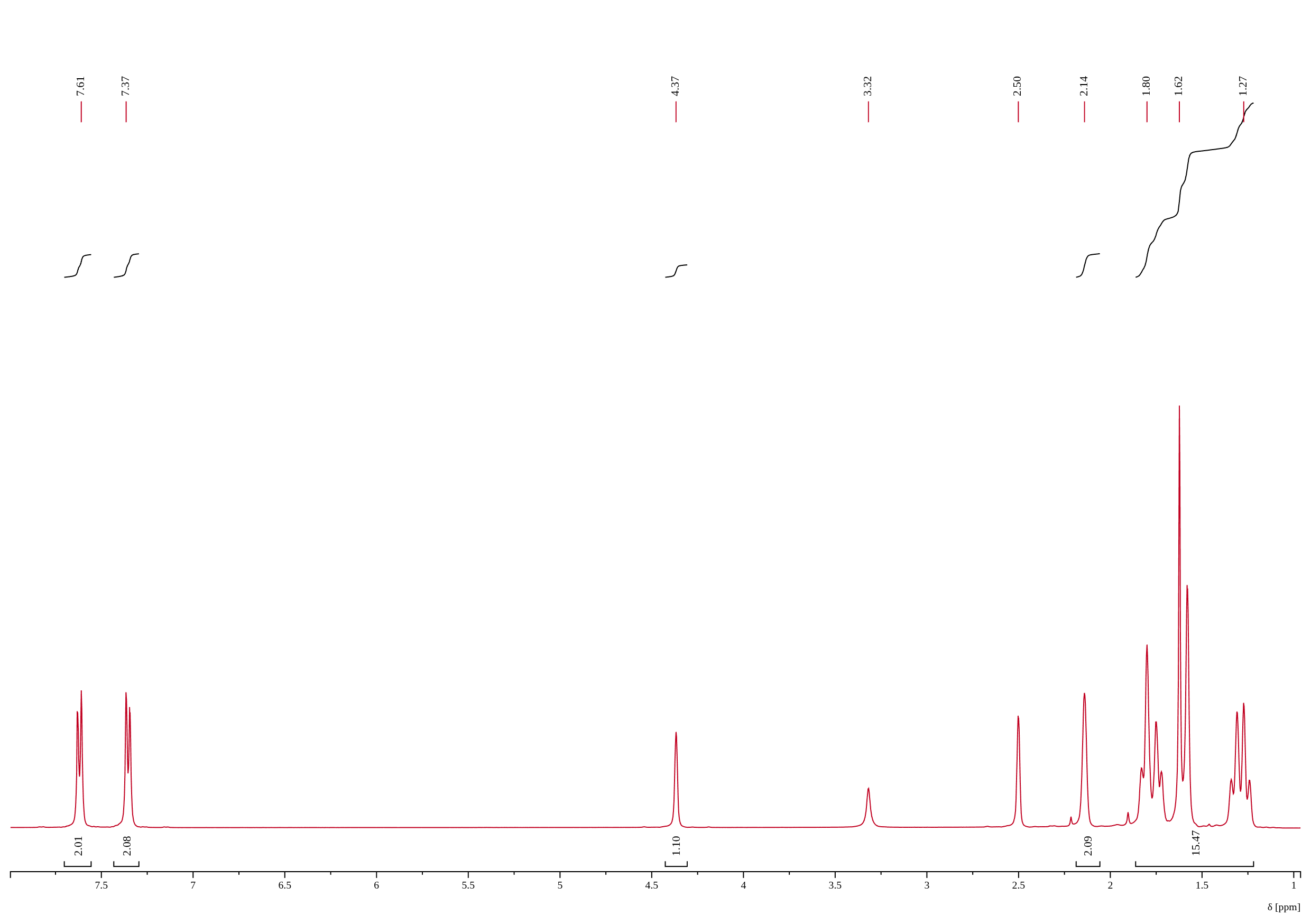
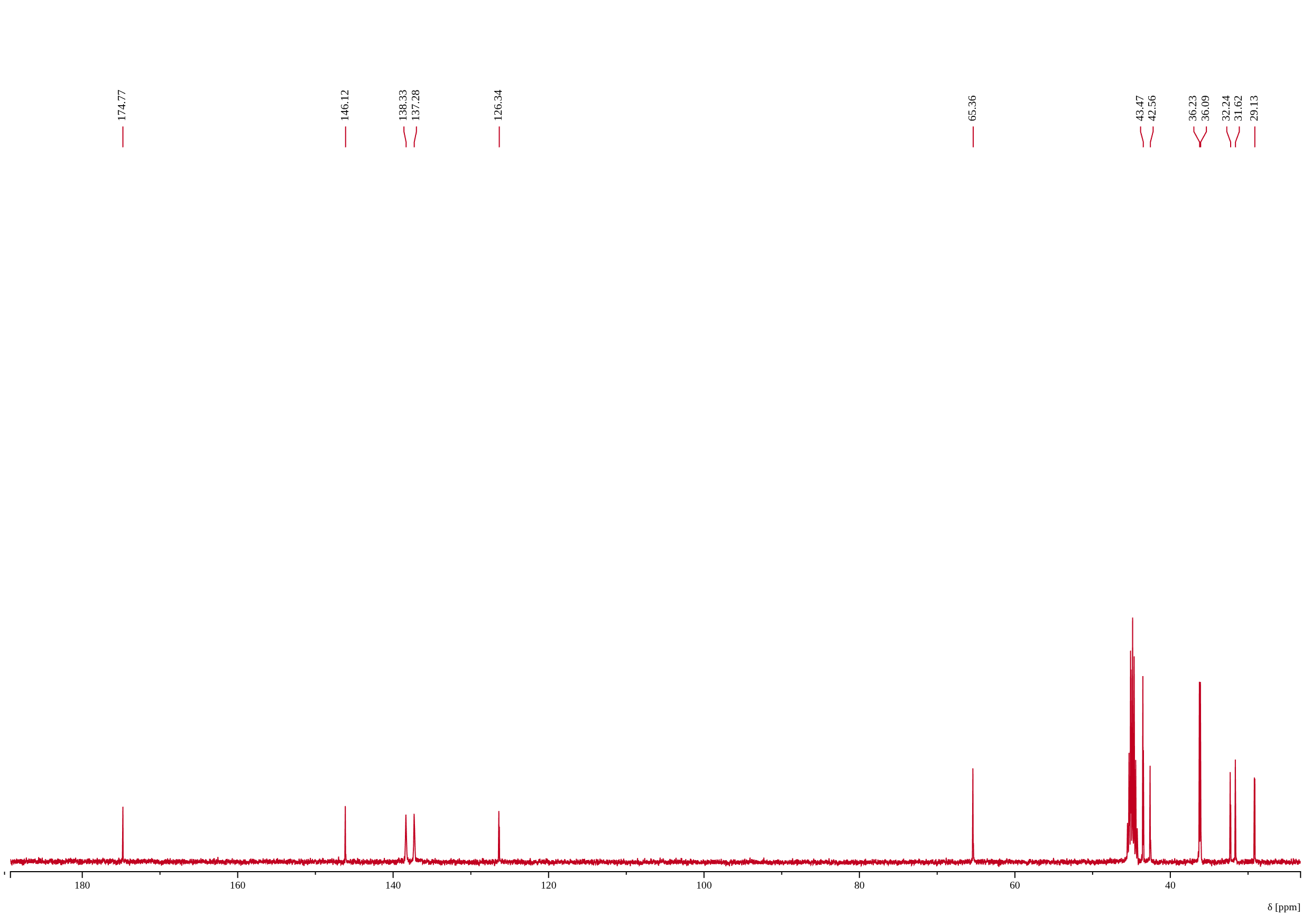
Every batch of N-Acetyl-Bromantane is characterised by ¹H and ¹³C NMR spectroscopy. The amide carbonyl at δ 174.77 ppm and the downfield-shifted adamantyl CH at δ 4.37 ppm (¹H) and δ 65.36 ppm (¹³C) serve as unambiguous structural markers distinguishing this compound from the parent bromantane.

Raw FID files are compatible with MestReNova, TopSpin, and other standard NMR processing software.

¹H NMR

400 MHz · CDCl₃

Batch 1
¹H NMR spectrum of N-Acetyl-Bromantane — Batch 1

Key signals: δ 7.61 (d, J=8.5 Hz, 2H, ArH), 7.37 (d, J=8.5 Hz, 2H, ArH), 4.37 (s, 1H, CH), 2.14 (s, 3H, COCH₃), 1.80–1.27 (br m, 15H, adamantane)

¹³C NMR

100 MHz · CDCl₃

Batch 1
¹³C NMR spectrum of N-Acetyl-Bromantane — Batch 1

Key signals: δ 174.77 (C=O), 146.12, 138.33, 137.28, 126.34 (ArC), 65.36 (CH-N), 43.47, 42.56, 36.23, 36.09, 32.24, 31.62, 29.13

Download raw FID data

We don't just show you pictures. Download the original spectrometer output and process it yourself in MestReNova, TopSpin, or any compatible NMR software. Every peak, every integration — fully verifiable.

¹H FID data (.zip) ¹³C FID data (.zip)